Buprenorphine
Learn about buprenorphine, a partial opioid agonist used for treating opioid use disorder (OUD) and managing pain. Understand its mechanism, uses, and forms.
- In stock
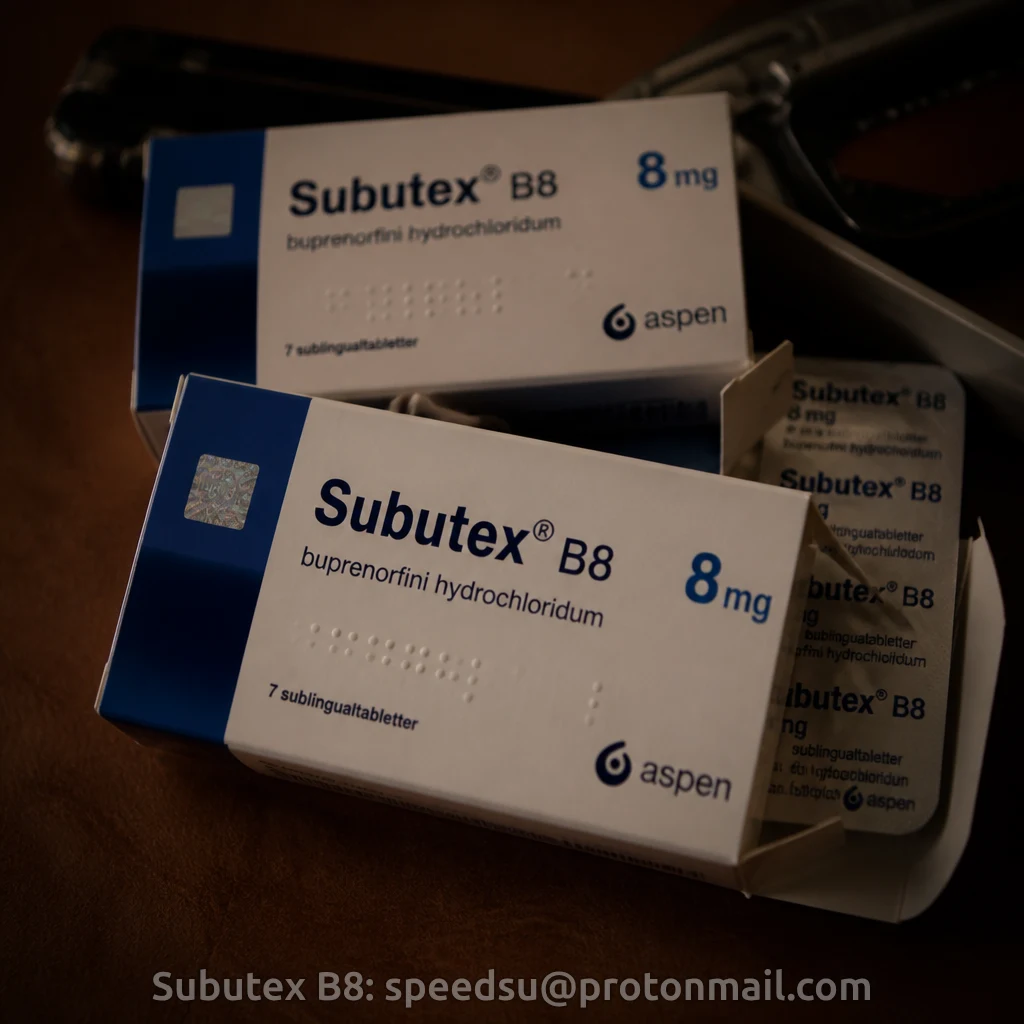
Subutex B8 in Italy Overview
Subutex B8 is a medication containing the active substance buprenorphine, used in Italy for the…
Estimated price: €10 – €15 - In stock

Subutex B8 in Germany
Subutex B8 is a medication containing buprenorphine, used for the treatment of opioid dependence…
Estimated price: €10 – €15 - In stock
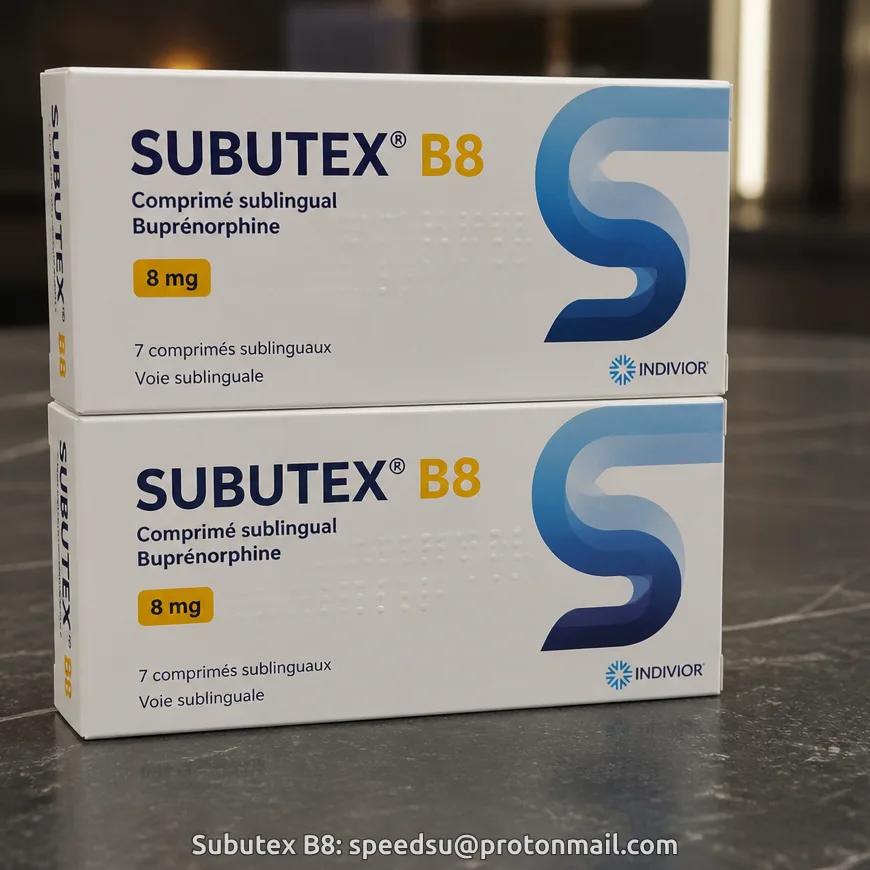
Subutex B8 Treatment in the Czech Republic and Slovakia
Subutex B8 (active ingredient – buprenorphine) is used as part of a comprehensive opioid dependence…
Estimated price: €10 – €15 - In stock
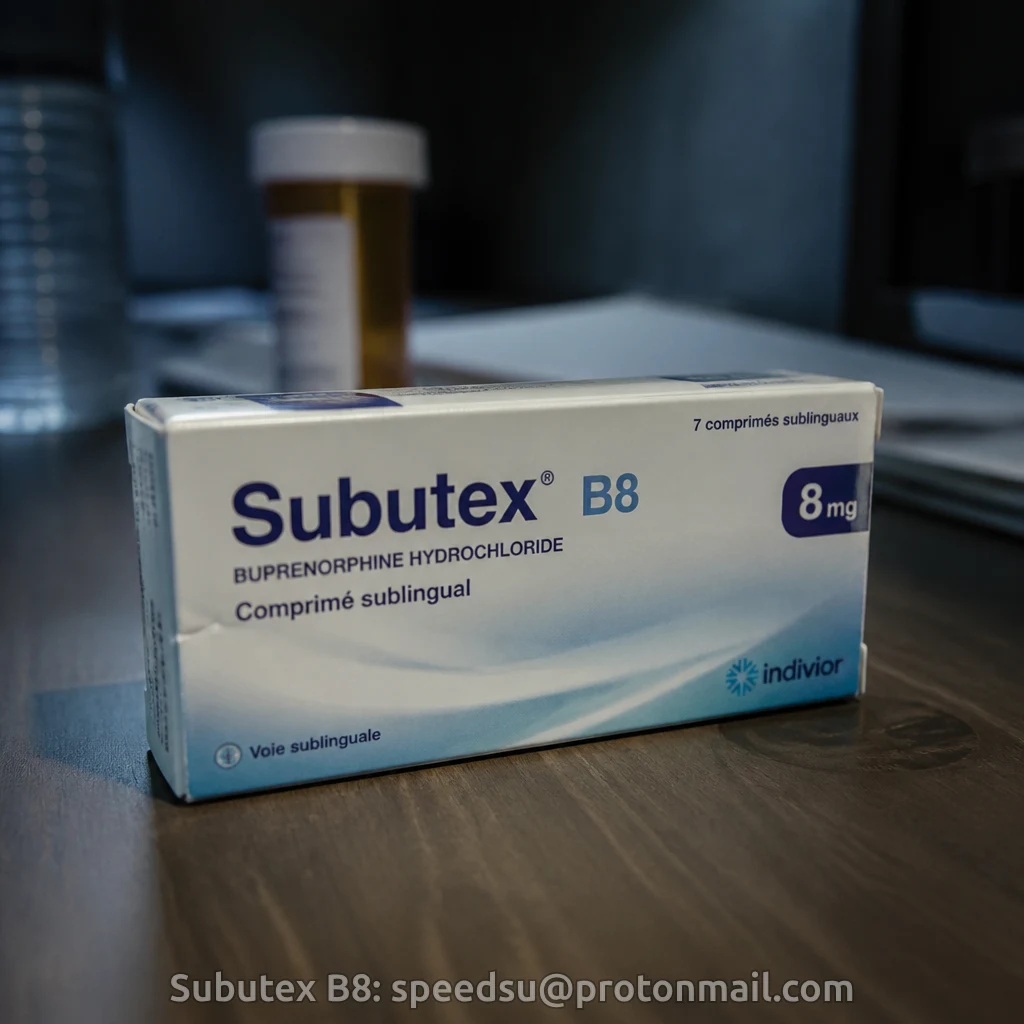
Subutex B8 in Poland: Overview and Treatment
Subutex B8 is a medication used to treat opioid dependence, particularly in the context of its…
Estimated price: €10 – €12 - PopularIn stock
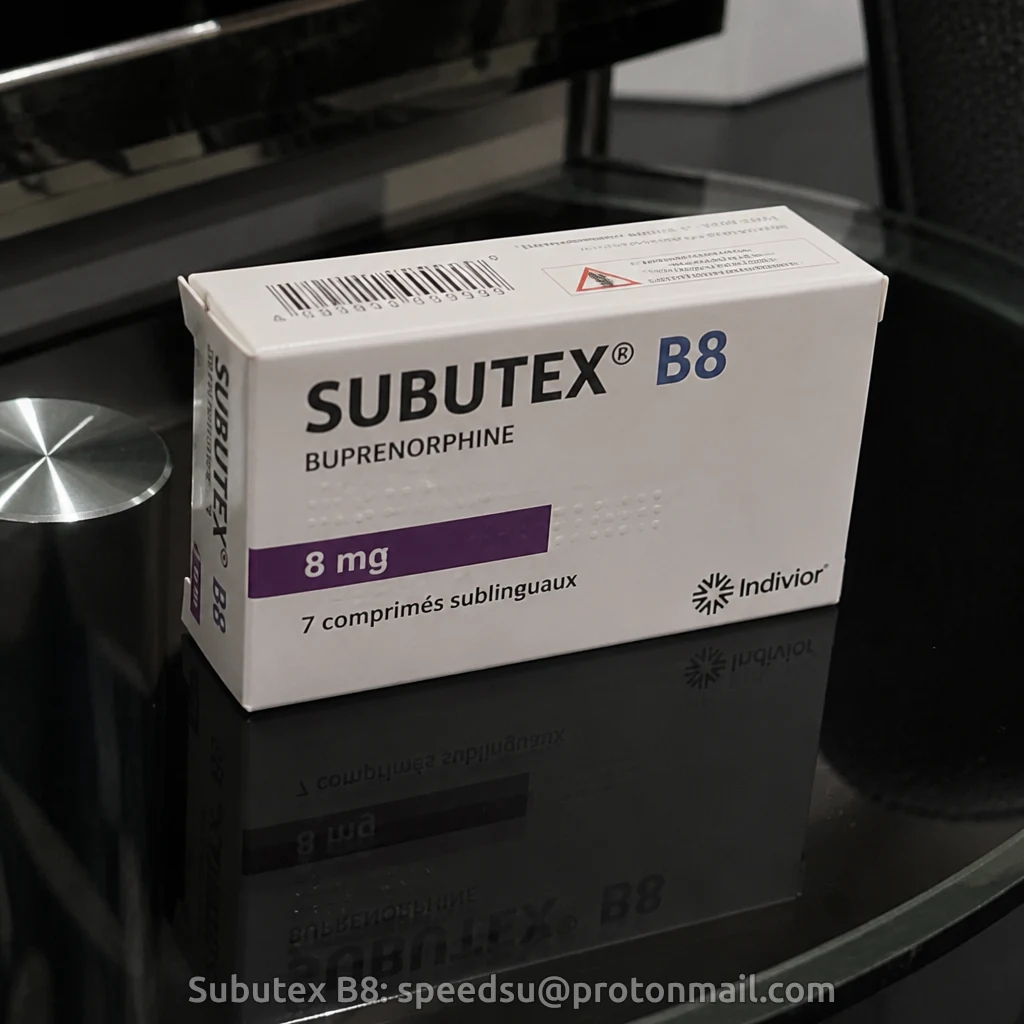
Subutex B8 in Lithuania, Review of Usage Instructions, Subutex B8 (Buprenorphine 8 mg sublingual tablets)
Subutex B8 (Субутекс Б8) is a medication containing buprenorphine in an 8 mg dosage, intended for…
Estimated price: €10 – €20 - PopularIn stock
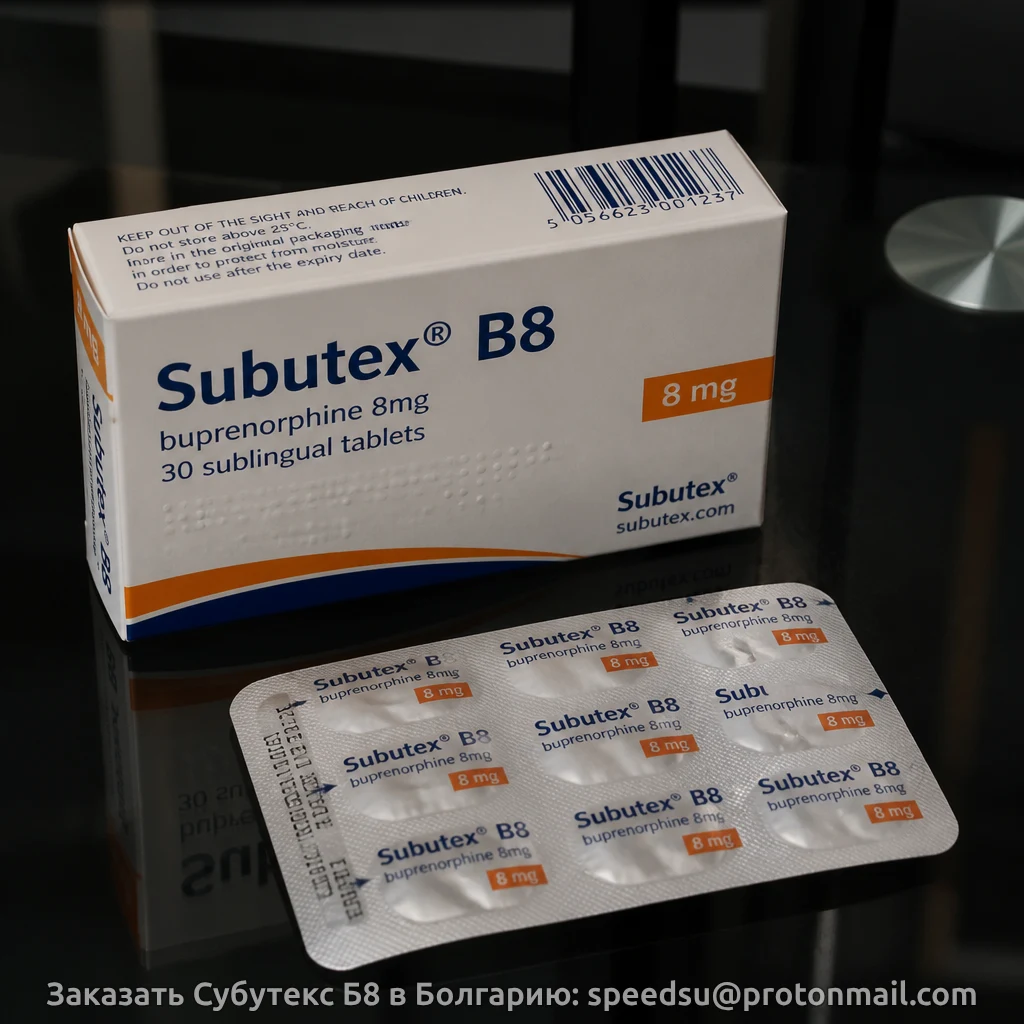
Subutex B8 in Bulgaria, Overview and Treatment Delivery
Subutex B8 in Bulgaria is a medication used in opioid dependence substitution therapy. It contains…
Estimated price: €10 – €20 - PopularIn stock
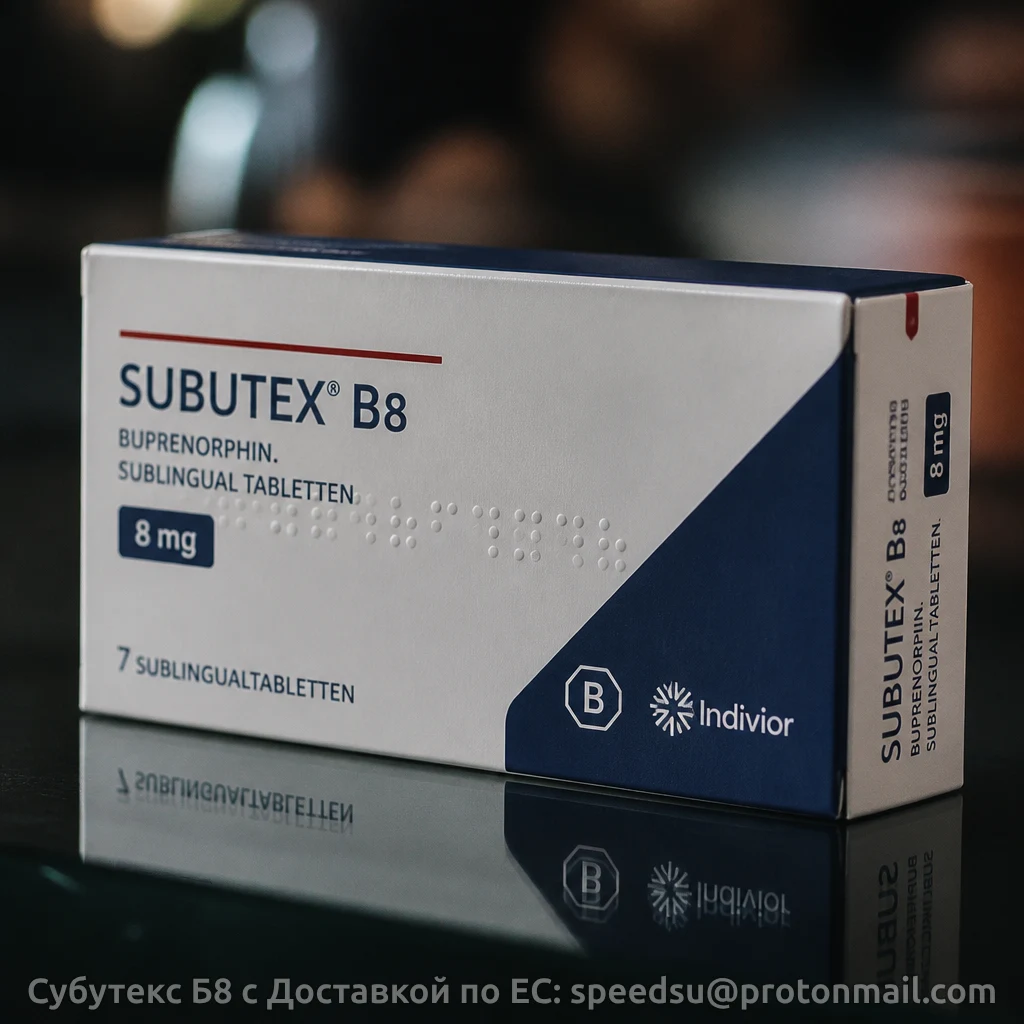
Subutex B8 in Europe, Treatment, Overview and Usage Instructions
A detailed review of Subutex B8, intended for treatment, its use in Europe, mechanism of action…
Estimated price: €10 – €20
About Buprenorphine
Buprenorphine is a partial opioid agonist medication used primarily in the treatment of opioid use disorder (OUD) and for the management of moderate to severe pain. It is classified as an opioid, but its unique pharmacological properties differentiate it from full opioid agonists like morphine or heroin.
Mechanism of Action
Buprenorphine acts by binding to opioid receptors in the brain, particularly the mu-opioid receptors. Unlike full agonists, it only partially activates these receptors. This partial agonism means that while it can alleviate withdrawal symptoms and cravings in individuals with OUD, its effects plateau even with increasing doses, providing a "ceiling effect." This characteristic can contribute to a lower risk of respiratory depression, a common cause of overdose with full opioid agonists.
Therapeutic Uses
- Opioid Use Disorder (OUD): Buprenorphine, often combined with naloxone (e.g., Suboxone), is a cornerstone of medication-assisted treatment (MAT) for OUD. It helps to reduce opioid cravings and withdrawal symptoms, supporting individuals in recovery.
- Pain Management: For pain, buprenorphine can be administered in various forms, including transdermal patches, injections, and buccal films. Its long duration of action makes it suitable for chronic pain conditions.
Forms and Administration
Buprenorphine is available in several formulations to suit different therapeutic needs:
- Sublingual tablets or films (e.g., Subutex, Suboxone)
- Transdermal patches (for pain)
- Injectable solutions (for pain or OUD)
- Buccal films (for pain)
Important Considerations
Like all medications, buprenorphine has potential side effects and considerations. It should be used under the guidance of a healthcare professional. Abrupt discontinuation can lead to withdrawal symptoms. It also carries a risk of misuse, although generally lower than full opioid agonists, and should be stored securely.