Subutex B8 in Germany
Estimated price: €10-€15
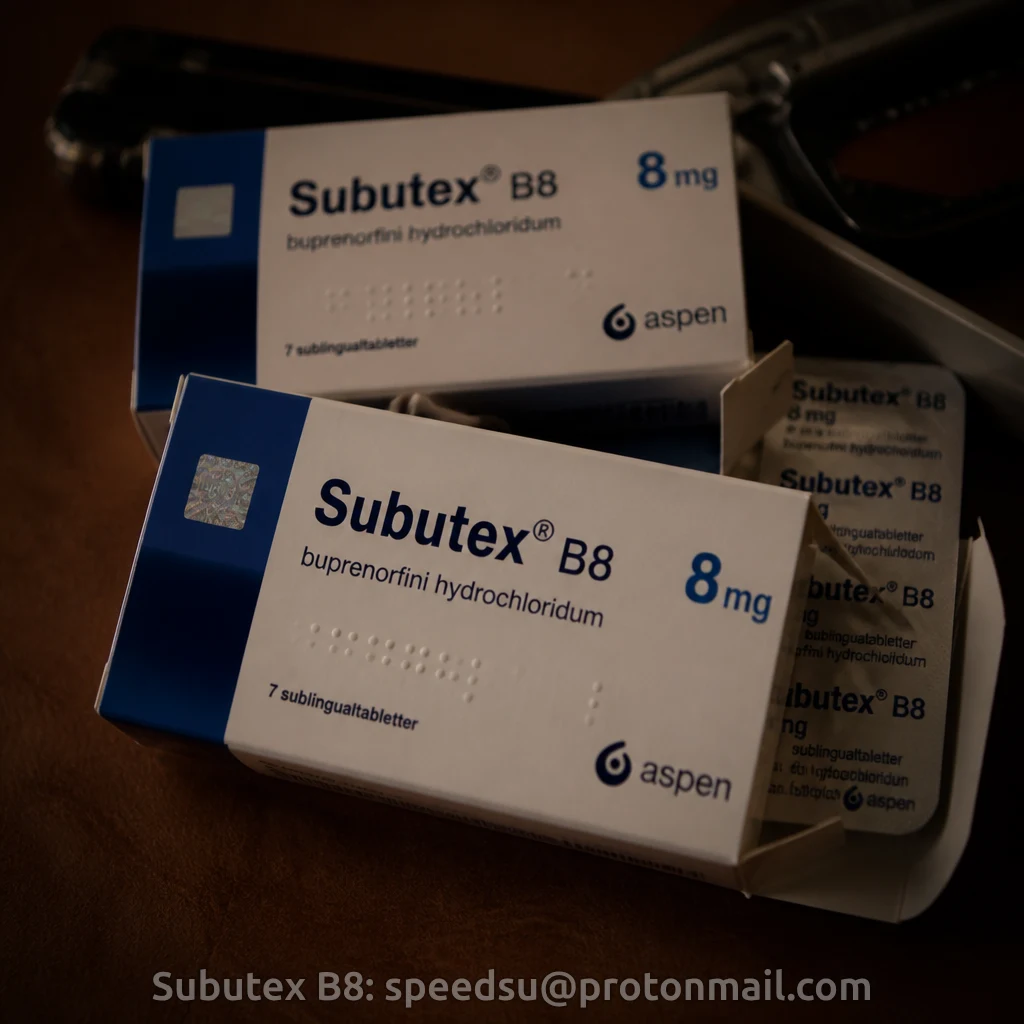
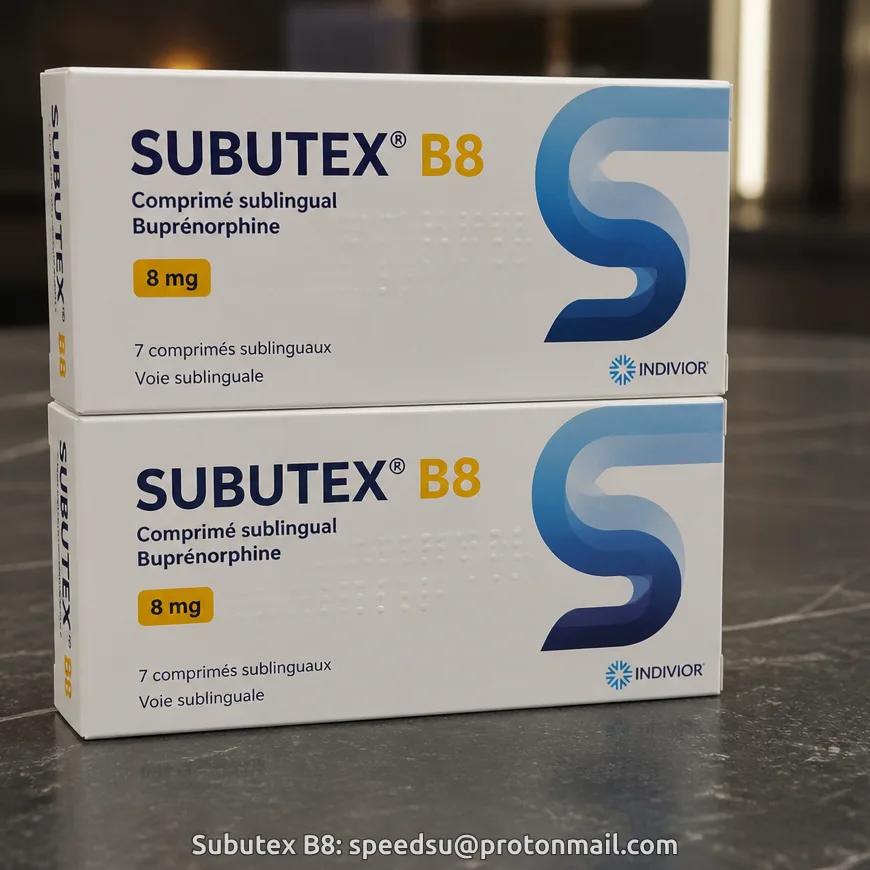
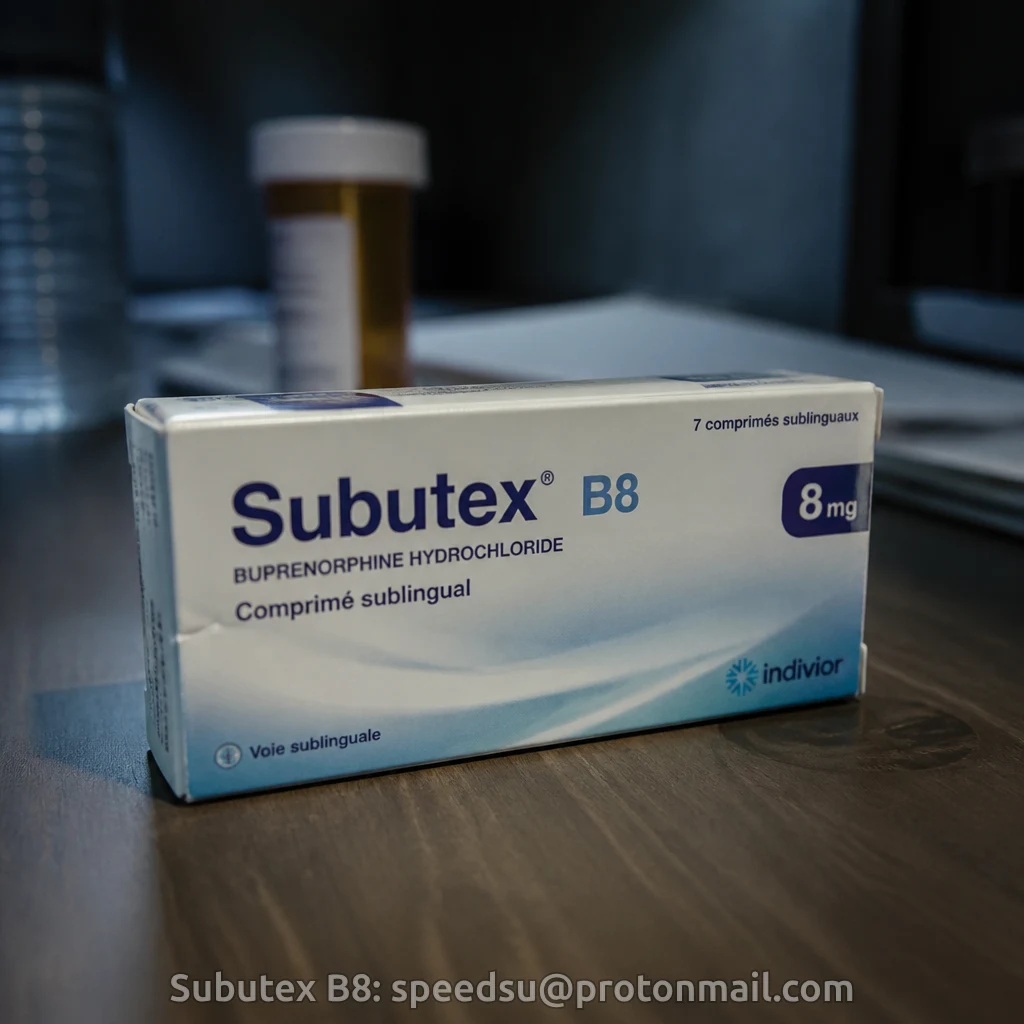
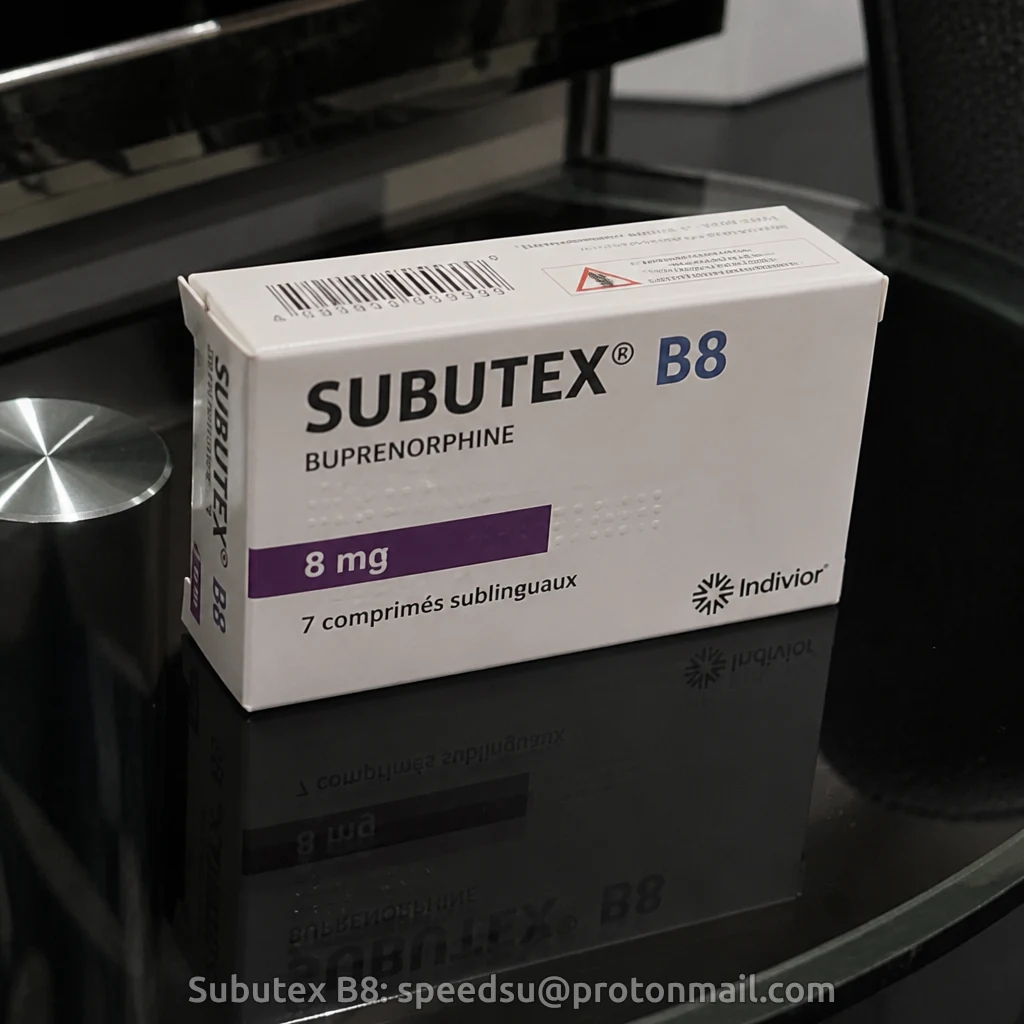
Subutex B8 is a medication containing buprenorphine, used for the treatment of opioid dependence. It is intended for use under strict medical supervision.
Subutex B8 is a medication whose primary active ingredient is buprenorphine. Buprenorphine belongs to the class of partial opioid receptor agonists. Its application is aimed at reducing withdrawal symptoms and opioid cravings in individuals with opioid dependence.
Subutex B8 is typically available in the form of sublingual tablets, which dissolve under the tongue, allowing the active substance to be rapidly absorbed into the bloodstream. This ensures effective and controlled delivery of buprenorphine into the body.
It is important to note that Subutex B8 is not intended for self-administration and must only be used as prescribed and under strict medical supervision. Incorrect use can lead to serious health consequences.
Indications for Use
- Treatment of opioid dependence.
- Reduction of opioid withdrawal symptoms.
- Management of cravings for opioids.
- Part of a comprehensive treatment program including psychosocial support.
How Subutex B8 Works
Subutex B8 exerts its therapeutic effects primarily through its active ingredient, buprenorphine, a partial opioid agonist. This means it binds to opioid receptors in the brain, similar to full opioid agonists like heroin or morphine, but produces a less intense effect.
Partial Opioid Agonism
Buprenorphine's partial agonism helps to alleviate withdrawal symptoms and reduce cravings without producing the full euphoric effects associated with illicit or full-agonist opioids. This unique property contributes to its efficacy in medication-assisted treatment for opioid dependence.
High Receptor Affinity
Buprenorphine has a high affinity for opioid receptors, meaning it binds strongly to them. This can block other opioids from binding, which is why it can help prevent the effects of other opioids if they are taken while buprenorphine is active in the system.
Ceiling Effect
Another important aspect of buprenorphine's mechanism is its "ceiling effect." This means that past a certain dose, the opioid effects of buprenorphine do not increase significantly, which can reduce the risk of respiratory depression, a common and dangerous side effect of full opioid agonists.
Benefits and Features
- Reduced Withdrawal Symptoms: Effectively alleviates the unpleasant physical and mental symptoms associated with opioid withdrawal.
- Decreased Cravings: Helps to minimize the intense desire for opioids, aiding in long-term recovery.
- Lower Risk of Overdose: The partial agonist nature and ceiling effect of buprenorphine contribute to a lower risk of respiratory depression compared to full opioid agonists.
- Sublingual Administration: Sublingual tablets allow for rapid absorption and consistent bioavailability of buprenorphine.
- Part of Comprehensive Treatment: Facilitates participation in counseling and behavioral therapies, which are crucial for sustained recovery.
- Strict Medical Supervision: Use under medical guidance ensures appropriate dosing and minimizes misuse potential.
Contraindications and Precautions
Before initiating treatment with Subutex B8, a thorough medical evaluation is essential to identify any contraindications or specific precautions.
Absolute Contraindications
- Known hypersensitivity to buprenorphine or any component of the formulation.
- Severe respiratory depression.
- Acute alcoholism or delirium tremens.
- Severe hepatic impairment.
Relative Contraindications/Precautions
- Moderate hepatic impairment: Dose adjustment may be necessary, and careful monitoring is required.
- Renal impairment: While buprenorphine is primarily metabolized in the liver, caution is advised, and monitoring for adverse effects may be increased.
- Respiratory disorders: Patients with pre-existing respiratory conditions such as asthma or chronic obstructive pulmonary disease (COPD) should be monitored closely due to the risk of respiratory depression.
- Head injury or increased intracranial pressure: Opioids can exacerbate these conditions.
- Patients with known or suspected prolonged QTc interval: Buprenorphine has been associated with QTc prolongation.
- Concomitant use with benzodiazepines or other CNS depressants: This combination can lead to severe respiratory depression, coma, and death. Extreme caution and close monitoring are necessary if co-administration is unavoidable.
- Pregnancy and breastfeeding: Use should only be considered if the potential benefit outweighs the potential risk to the fetus or infant. Neonatal opioid withdrawal syndrome can occur.
Drug Interactions
- CNS depressants: Concurrent use with benzodiazepines, other opioids, alcohol, sedatives, hypnotics, or general anesthetics significantly increases the risk of respiratory depression, sedation, coma, and death.
- CYP3A4 inhibitors: Drugs that inhibit the enzyme CYP3A4 (e.g., some antifungals, macrolide antibiotics, protease inhibitors) can increase buprenorphine plasma levels, potentially leading to increased opioid effects and adverse reactions.
- CYP3A4 inducers: Drugs that induce CYP3A4 (e.g., rifampicin, carbamazepine, phenytoin) can decrease buprenorphine plasma levels, potentially reducing its effectiveness.
- MAO Inhibitors: Concomitant use may increase the risk of CNS depression and respiratory depression.
Side Effects
Like all medications, Subutex B8 can cause side effects, although not everybody gets them. The severity and frequency of side effects can vary among individuals. Always consult your doctor or pharmacist if you experience any concerning symptoms.
Common Side Effects (may affect up to 1 in 10 people)
- Headache
- Nausea, vomiting
- Constipation
- Insomnia
- Sweating
- Dizziness
- Drowsiness
- Withdrawal syndrome
- Peripheral edema
Rare Side Effects (may affect up to 1 in 1,000 people)
- Difficulty breathing
- Hypotension (low blood pressure)
- Palpitations
- Fainting (syncope)
- Hepatic injury (liver problems)
- Hallucinations, paranoia
- Difficulty urinating
- Erectile dysfunction
Serious Side Effects (requires immediate medical attention)
- Severe breathing difficulties or respiratory depression.
- Symptoms of an allergic reaction: swelling of the face, lips, tongue, or throat, difficulty breathing, severe rash, itching.
- Symptoms of liver problems: yellowing of the skin or eyes (jaundice), dark urine, pale stools, severe loss of appetite.
- Adrenal insufficiency: symptoms such as nausea, vomiting, loss of appetite, weakness, dizziness, or low blood pressure.
- Serotonin syndrome: symptoms like agitation, hallucinations, rapid heartbeat, fever, sweating, muscle twitching, tremor, severe nausea, vomiting, or diarrhea (especially when used with other serotonergic drugs).
- Opioid withdrawal syndrome: if the dose is too low or administered too soon after other opioids.
Comparison with Alternatives
Subutex B8 (buprenorphine) is one of several medications used in the treatment of opioid dependence. Other common alternatives include methadone and naltrexone.
| Parameter | Subutex B8 (Buprenorphine) | Methadone |
|---|---|---|
| Mechanism of Action | Partial opioid agonist | Full opioid agonist |
| Risk of Respiratory Depression | Lower due to ceiling effect | Higher, dose-dependent |
| Withdrawal Suppression | Effective, generally milder withdrawal upon discontinuation | Very effective, but discontinuation can lead to severe withdrawal |
| Formulation | Sublingual tablets | Oral solution, tablets |
| Prescribing Regulations | Can be prescribed in office settings (with special certification) | Primarily dispensed in highly regulated clinics (OTP-Opioid Treatment Programs) |
| Drug Interactions | Significant, particularly with CNS depressants and CYP3A4 modifiers | Significant, particularly with QTc-prolonging drugs and CYP3A4 modifiers |
| Potential for Diversion/Misuse | Present, but sublingual formulation makes injection less appealing. Combinations with naloxone (e.g., Suboxone) further deter misuse. | High, particularly due to euphoric potential and long half-life. |
Frequently Asked Questions
What is the difference between Subutex and Suboxone?
Subutex contains only buprenorphine as its active ingredient. Suboxone is a combination product containing buprenorphine and naloxone. The naloxone in Suboxone is included to deter intravenous misuse; if injected, naloxone can precipitate opioid withdrawal symptoms.
Can I stop Subutex B8 cold turkey?
No, you should never stop Subutex B8 suddenly or without consulting your doctor. Abrupt discontinuation can lead to significant opioid withdrawal symptoms. Your doctor will provide a tapering schedule to gradually reduce your dose safely.
How long does treatment with Subutex B8 usually last?
The duration of Subutex B8 treatment varies greatly for each individual. It can be short-term or long-term, depending on your response to treatment, your recovery goals, and your doctor's assessment. It is often a sustained treatment as part of an ongoing recovery plan.
Is it safe to drive while taking Subutex B8?
Subutex B8 can cause drowsiness, dizziness, and impaired concentration, especially during the initial phase of treatment or following dose adjustments. You should gauge your reaction to the medication before attempting to drive or operate machinery. If you experience these side effects, avoid such activities.
Conclusion
Subutex B8, containing buprenorphine, represents a crucial component in the medication-assisted treatment for opioid dependence. It plays a vital role in managing withdrawal symptoms, reducing cravings, and supporting individuals on their journey to recovery. Its unique pharmacological profile, combining partial opioid agonism with a ceiling effect, contributes to its safety and efficacy within a supervised treatment framework.
Always consult with a doctor or pharmacist for personalized advice regarding Subutex B8 and its suitability for your specific health needs.