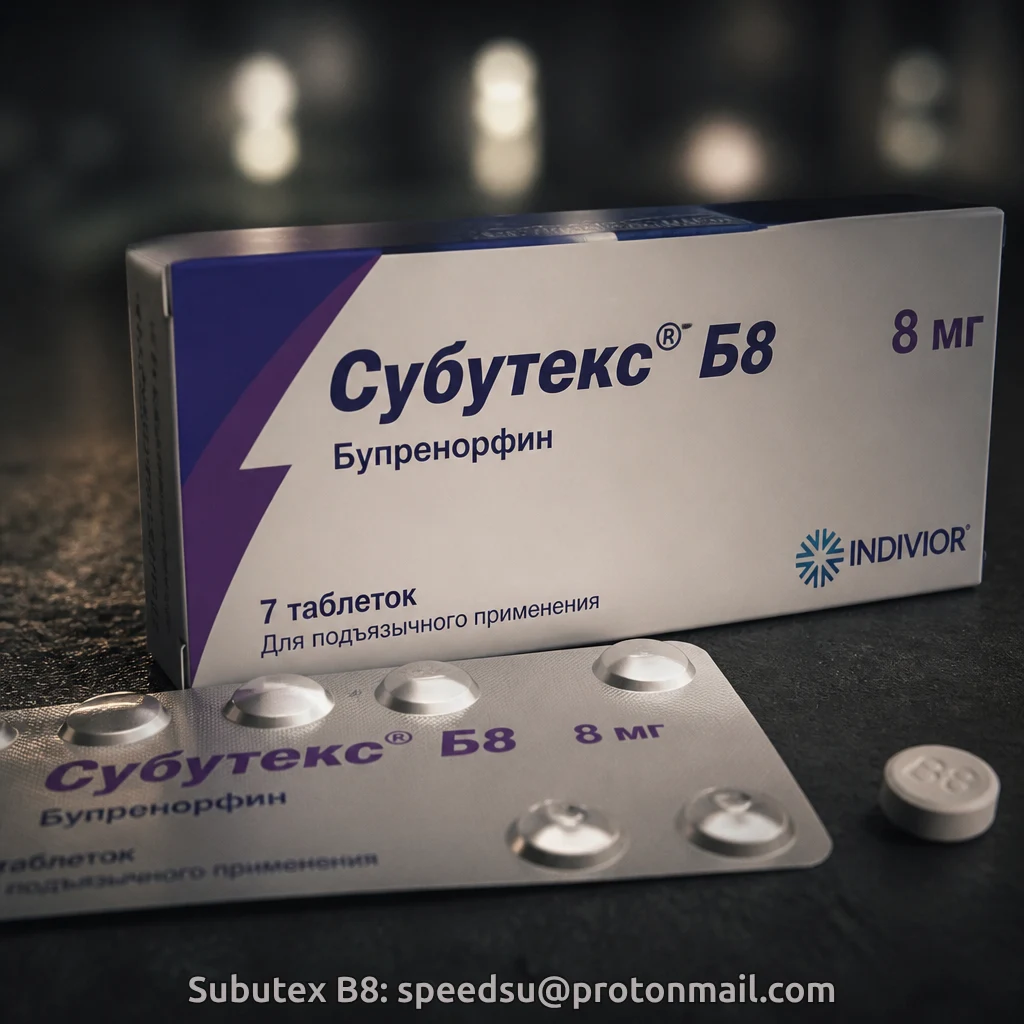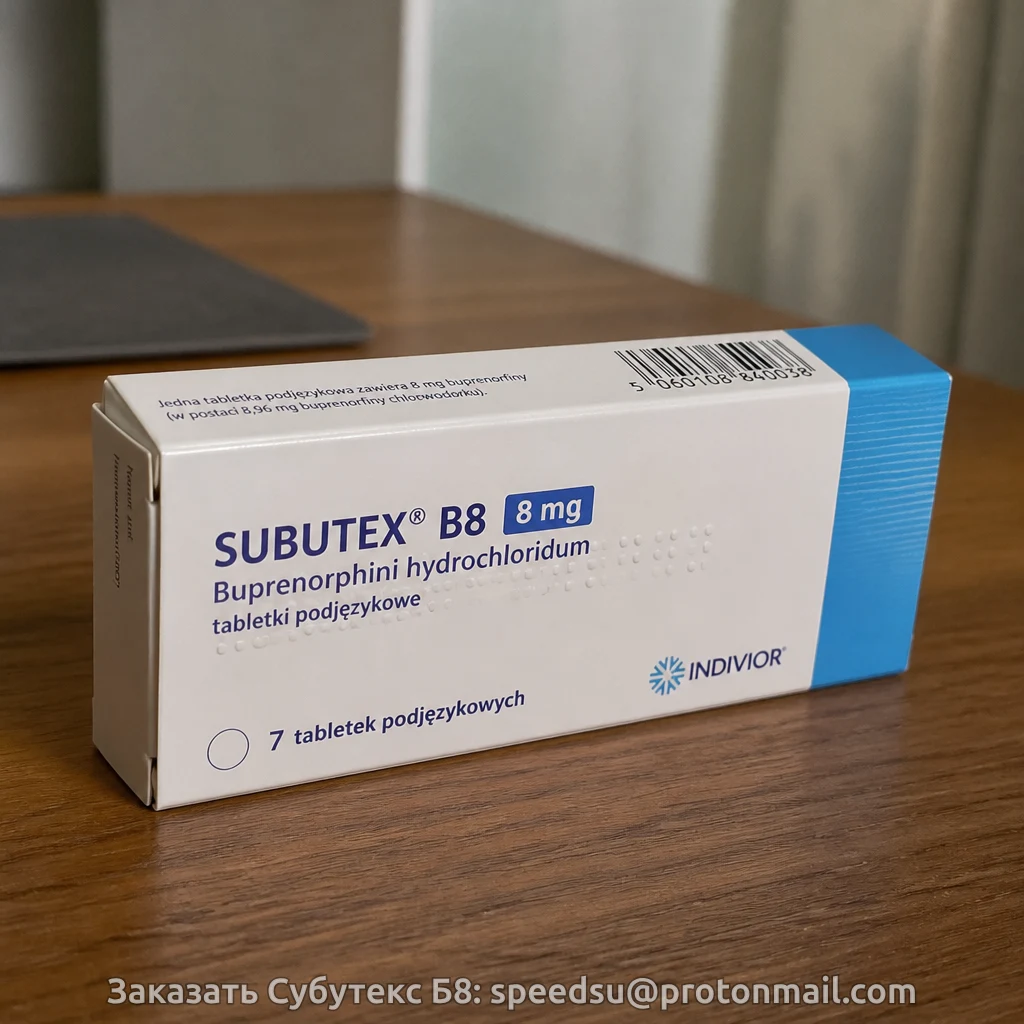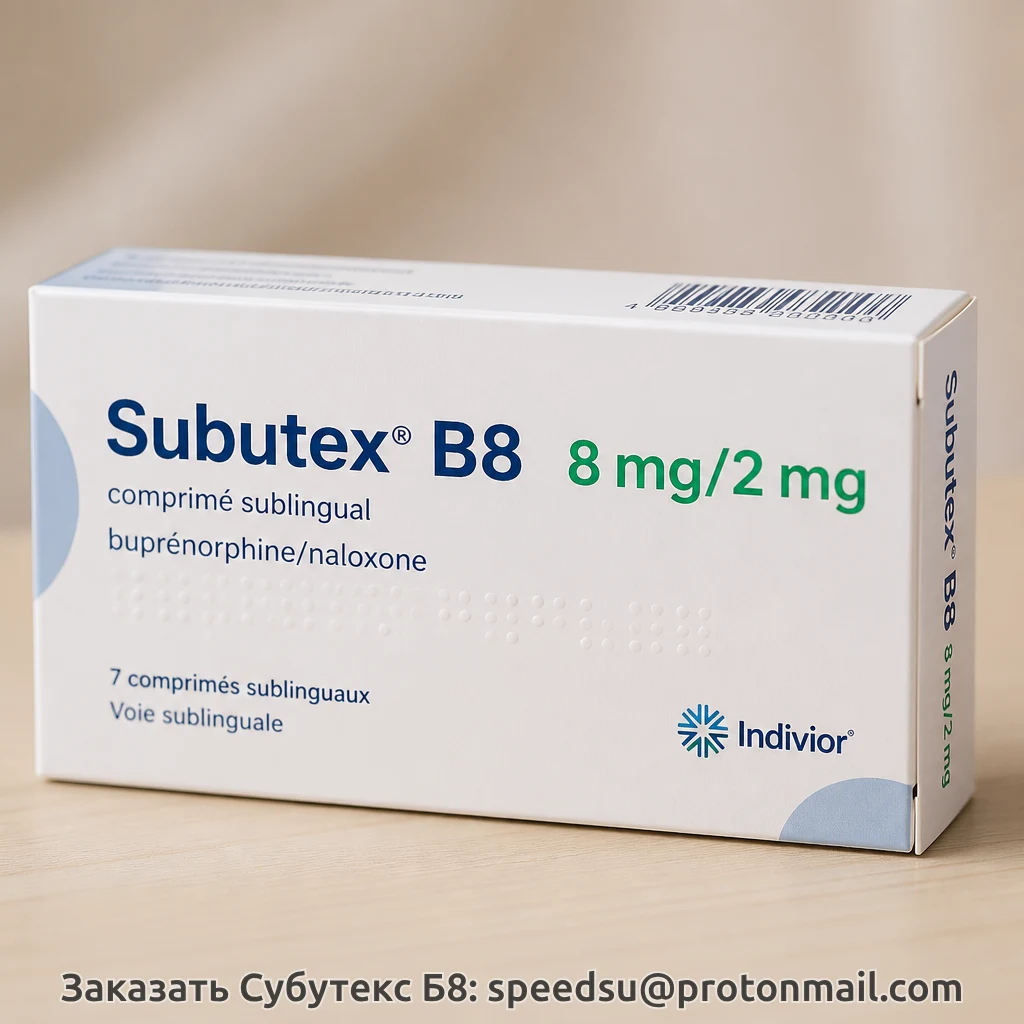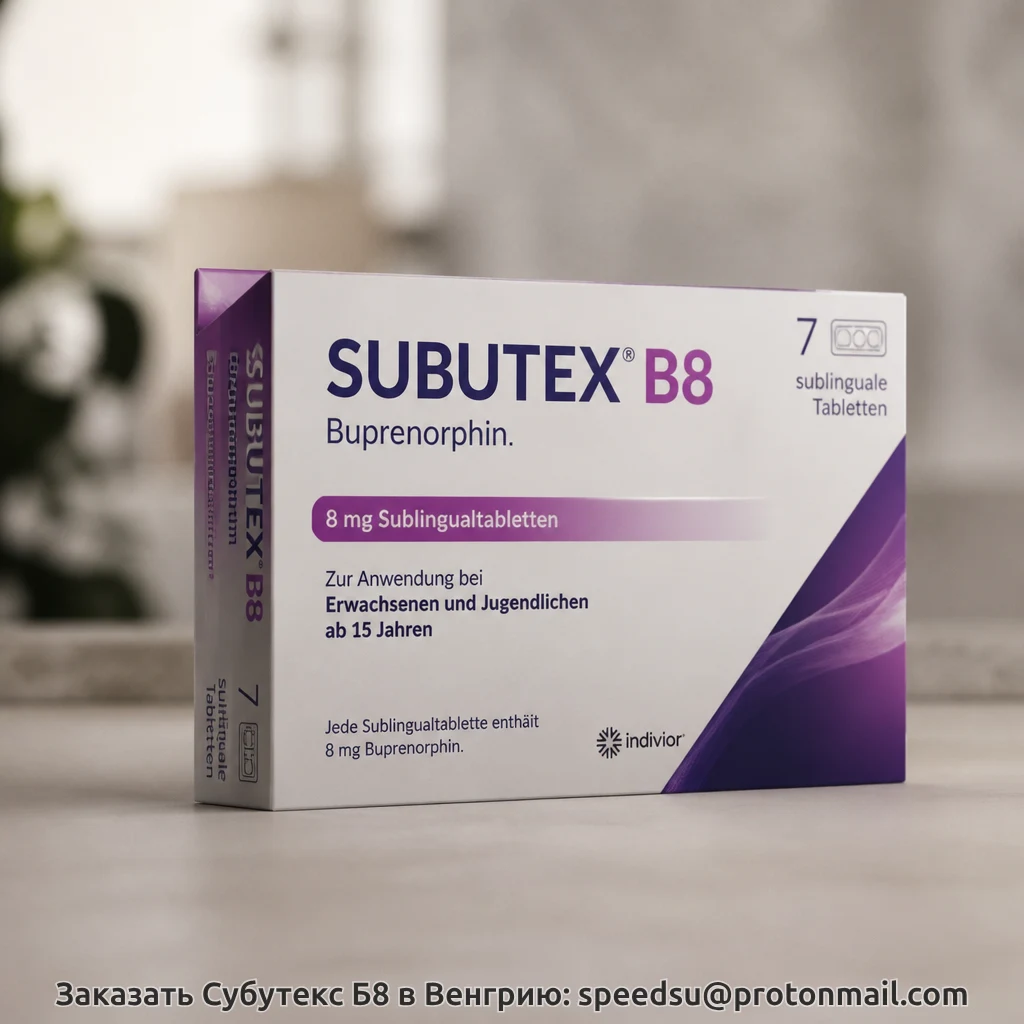
Subutex B8
Estimated price: €9-€15
Subutex B8 is an opioid agonist-antagonist used in opioid dependence maintenance therapy. It is designed to reduce withdrawal symptoms and opioid cravings, supporting patient rehabilitation.
Subutex B8 is a medication used in opioid replacement therapy, specifically for the treatment of opioid dependence. This medication contains the active substance buprenorphine, which helps patients manage physical dependence by minimizing withdrawal symptoms and reducing cravings for narcotic substances.
General Information about Subutex B8
Subutex B8 is a pharmaceutical preparation belonging to the group of opioid agonist-antagonists. It is used in replacement therapy programs for individuals suffering from opioid dependence. The primary goal of its application is to alleviate opioid withdrawal symptoms and reduce the compulsive desire to use psychoactive substances, which is a key element in the rehabilitation process. The medication is prescribed strictly under medical supervision as part of a comprehensive treatment program, including psychosocial support and counseling.
Indications for Use
- Opioid dependence maintenance therapy in adults and adolescents aged 16 years and older.
How Subutex B8 Works
The mechanism of action of Subutex B8 is based on the pharmacological properties of its active component – buprenorphine.
Opioid Agonist-Antagonist
Buprenorphine is a partial agonist at opioid mu-receptors and an antagonist at kappa-receptors. This means it binds to the same receptors in the brain as other opioids (e.g., heroin, morphine), but produces a weaker, "ceiling effect" opioid action. This "ceiling effect" reduces the risk of overdose and allows for the control of withdrawal symptoms.
Reduction of Withdrawal Syndrome
Due to its partial agonism at mu-receptors, buprenorphine mimics the action of other opioids, thereby preventing or significantly reducing the severity of opioid withdrawal syndrome ("cold turkey"), which occurs when opioid drugs are discontinued. This makes the process of abstaining from illicit substances more tolerable for the patient.
Reduction of Opioid Cravings
The prolonged binding of buprenorphine to opioid receptors helps to reduce intense opioid cravings, which is an important factor in maintaining remission and preventing relapses. It can also block the euphoric effect from using other opioids if they are taken during buprenorphine therapy.
Benefits and Features
- Effectiveness in reducing withdrawal syndrome: Helps alleviate "cold turkey" and improves tolerance to opioid cessation.
- Reduced drug cravings: Decreases psychological and physical dependence.
- Reduced risk of overdose: Unlike full opioid agonists, buprenorphine has a "ceiling effect" regarding respiratory depression.
- Long-lasting action: Provides patient stabilization for an extended period.
- Improved quality of life: Allows patients to focus on rehabilitation and social reintegration.
Contraindications and Precautions
Absolute Contraindications
- Hypersensitivity to buprenorphine or any of the excipients in the preparation.
- Severe respiratory insufficiency.
- Severe hepatic insufficiency.
- Acute alcoholic intoxication or delirium tremens.
- Concomitant use with opioid receptor agonists/antagonists (e.g., naltrexone) or with full opioid agonists in opioid-non-tolerant patients.
- Age under 16 years.
Relative Contraindications and Precautions
- Pregnancy and breastfeeding (use is possible only under strict indications and medical supervision).
- Mild to moderate hepatic insufficiency, renal insufficiency.
- Asthma or other obstructive airway diseases.
- Head injuries, CNS diseases, increased intracranial pressure.
- Hypothyroidism, adrenal insufficiency.
- Prostatic hyperplasia.
- Cardiac arrhythmias.
- Epilepsy.
Drug Interactions
- CNS depressants (benzodiazepines, hypnotics, sedatives, alcohol): concomitant use significantly increases the risk of respiratory depression and sedation, up to and including fatal outcomes. Highly undesirable.
- CYP3A4 enzyme inhibitors (ritonavir, ketoconazole): may increase buprenorphine plasma concentrations, enhancing its effects.
- CYP3A4 enzyme inducers (phenobarbital, carbamazepine, rifampicin): may decrease buprenorphine concentrations.
- Opioid analgesics: reduced analgesic effect may occur with concomitant use.
Side Effects
Common Side Effects (≥ 1%):
- Headache.
- Insomnia.
- Nausea, vomiting.
- Constipation.
- Sweating.
- Weakness, asthenia.
- Dizziness.
Rare Side Effects (< 1%):
- Orthostatic hypotension.
- Urinary retention.
- Respiratory depression (especially with overdose or co-administration with other CNS depressants).
- Hepatitis, jaundice.
- Allergic reactions (rash, itching).
Serious Side Effects:
- Respiratory depression with possible fatal outcome.
- Liver failure.
- Anaphylactic reactions.
- Withdrawal syndrome (with abrupt discontinuation or incorrect initiation of therapy).
Comparison with Analogues
In the Czech Republic and Slovakia, preparations based on a buprenorphine/naloxone combination are also used for replacement therapy. Let's compare Subutex B8 with a similar analogue.
| Parameter | Subutex B8 (Buprenorphine) | Analogue (Buprenorphine/Naloxone) |
|---|---|---|
| Composition | Buprenorphine only | Buprenorphine + naloxone |
| Mechanism of Action | Partial agonist at mu-opioid receptors, antagonist at kappa-receptors | Buprenorphine – same mechanism; naloxone – opioid receptor antagonist |
| Risk of abuse by injection | Higher (causes opioid effect when injected intravenously) | Lower (naloxone is activated by injection, causing withdrawal syndrome) |
| Initiation of therapy | Can be started earlier after the last opioid dose (lower risk of precipitating withdrawal syndrome) | Requires waiting for more pronounced withdrawal symptoms before initiation to avoid precipitation by naloxone |
| Application | Preferred for initiating therapy when withdrawal syndrome has not yet fully developed, or in confirmed intolerance to naloxone-containing preparations. | Widely used for maintenance therapy to minimize abuse risks. |
Frequently Asked Questions
What is Subutex B8?
Subutex B8 is a medication containing buprenorphine, used in opioid dependence maintenance therapy to alleviate withdrawal symptoms and reduce opioid cravings.
How long does treatment with Subutex B8 last?
The duration of Subutex B8 treatment is individual and determined by the treating physician. Therapy can last from several months to several years, depending on the patient's needs and treatment goals.
Can I drive a car while taking Subutex B8?
Taking Subutex B8 may cause drowsiness, dizziness, and other impairments affecting concentration and reaction time. Therefore, during treatment, you should avoid driving vehicles and operating machinery that requires heightened attention until individual tolerance to the drug is established.
What happens if I suddenly stop taking Subutex B8?
Abrupt discontinuation of Subutex B8 can cause a withdrawal syndrome similar to withdrawal from other opioids. Discontinuation of the medication should be done gradually under strict medical supervision to minimize discomfort.
Conclusion
Subutex B8 (buprenorphine) is an important tool in the treatment of opioid dependence, helping patients manage physical dependence and reduce drug cravings. It allows for stabilization and provides an opportunity for full rehabilitation and social reintegration. However, like any potent medication, Subutex B8 requires strict medical supervision and adherence to the dosing regimen. Always consult a doctor or pharmacist before starting any treatment or changing your therapy plan.