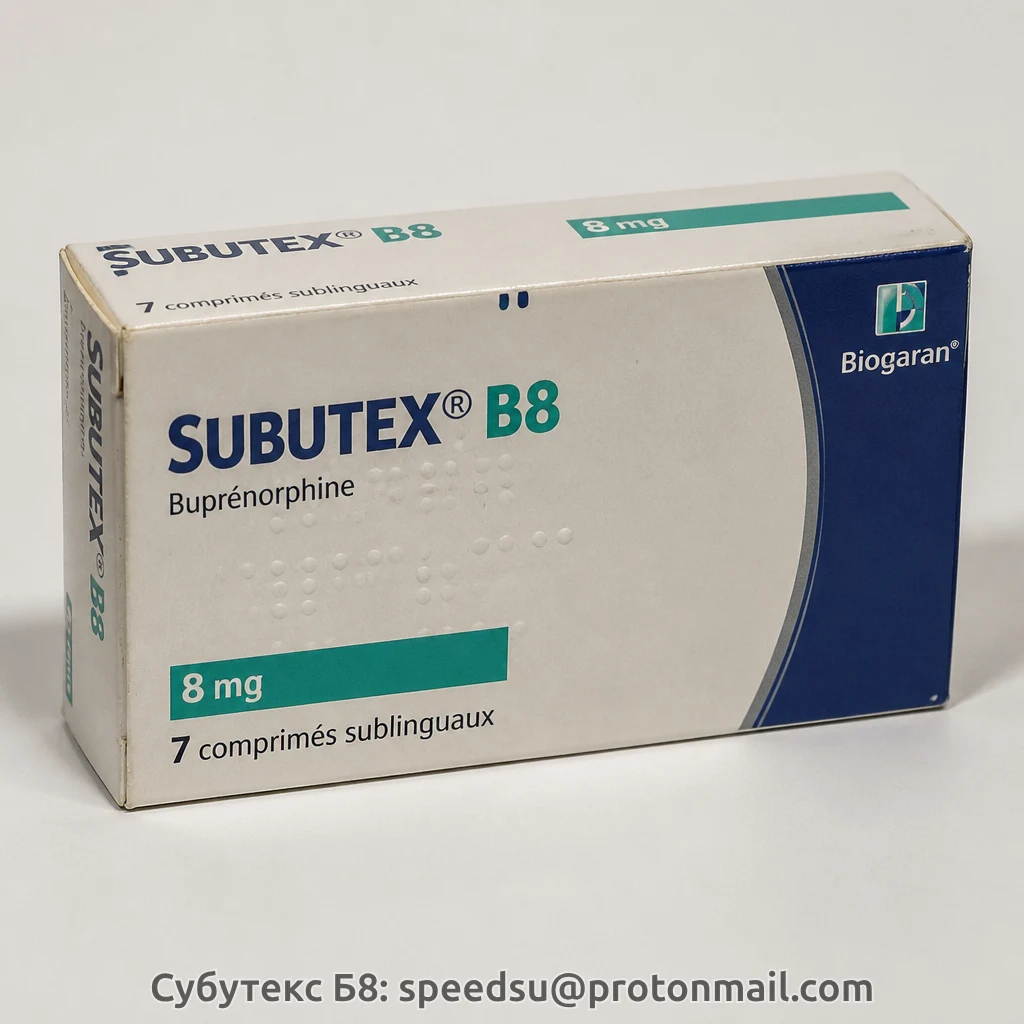
Buprenorphine is a semi-synthetic opioid used for the treatment of opioid dependence. In Latvia, it is available and utilized as part of a comprehensive opioid substitution therapy. Medications containing buprenorphine, such as Subutex B8 (a specific dosage), help patients stabilize their condition, reduce opioid cravings, and prevent withdrawal symptoms, thereby aiding their reintegration into society.
Overview
Buprenorphine was first synthesized in the 1960s and gained approval for medical use in pain management, and later for opioid dependence treatment. Its action is attributed to partial agonism at mu-opioid receptors and antagonism at kappa-opioid receptors. This allows it to suppress withdrawal symptoms and reduce opioid cravings without inducing the full euphoria associated with full agonists, giving it a safer profile for substitution therapy. In Latvia, the use of buprenorphine is strictly regulated and carried out under medical supervision in specialized institutions.
Mechanism of action
Buprenorphine is characterized by a complex mechanism of action. As a partial agonist of mu-opioid receptors, it binds to them, causing a dose-dependent opioid effect that reaches a plateau (a "ceiling effect"). This means that beyond a certain dose, increasing the amount of the drug does not lead to further intensification of opioid effects, including respiratory depression, which reduces the risk of overdose compared to full agonists like methadone. Additionally, buprenorphine is an antagonist of kappa-opioid receptors, which may contribute to its unique properties in addiction treatment. Its prolonged binding to receptors also explains its long-lasting action, allowing for less frequent dosing.
Typical uses
- Opioid substitution maintenance therapy for opioid dependence.
- Opioid detoxification.
- Treatment of chronic pain (in other dosages and formulations not related to substitution therapy).
How to use Subutex B8 / step by step
- Consultation with a doctor: Before starting buprenorphine treatment, a complete medical examination is required, and a prescription must be obtained from a qualified specialist licensed to treat opioid dependence.
- Induction: The medication should only be started after the first signs of opioid abstinence appear, to avoid the development of precipitated withdrawal syndrome.
- Oral sublingual administration: Subutex B8 tablets are designed for sublingual dissolution under the tongue until they are completely dissolved. They should not be swallowed, as this reduces the bioavailability of the drug.
- Maintenance dose: The doctor will establish an individualized maintenance dose, which will be regularly reviewed based on the patient's condition and clinical response.
Safety
Buprenorphine is relatively safe when used correctly, but it has a number of side effects and risks. Common side effects include nausea, vomiting, constipation, headache, and insomnia. Serious risks include respiratory depression, especially when taken concurrently with benzodiazepines, alcohol, or other central nervous system depressants. There is also a risk of misuse and dependence, so treatment must be under strict medical supervision. In Latvia, strict protocols are in place for prescribing and dispensing buprenorphine to minimize risks.
“Buprenorphine is a cornerstone of modern opioid dependence therapy due to its unique pharmacological profile. However, its effectiveness directly depends on strict adherence to treatment protocols, individualized dose adjustment, and the patient's active participation in the rehabilitation program.”
— Dr. A. Smirnov, Clinical Pharmacologist
Comparison with alternatives
| Parameter | Buprenorphine (e.g. Subutex B8) | Methadone | Naltrexone |
|---|---|---|---|
| Mechanism of action | Partial agonist of mu-opioid receptors | Full agonist of mu-opioid receptors | Full antagonist of opioid receptors |
| Risk of respiratory depression | Lower than full agonists ("ceiling effect") | Higher, especially with overdose | Absent |
| Formulation in Latvia | Sublingual tablets (Subutex), combined tablets with naloxone (Suboxone) | Oral solution | Tablets, extended-release injections |
| Suitable for | Dependence treatment, detoxification | Long-term maintenance therapy | Preventing relapse after detoxification |
Frequently asked questions (FAQ)
Can buprenorphine be taken on its own?
No, buprenorphine is a strictly prescription-only medication, and its use should only be under the supervision of a doctor as part of an approved treatment program.
How long does buprenorphine treatment last?
The duration of treatment is individual and can vary from several months to several years, depending on the patient's condition and the plan developed by the doctor.
Does buprenorphine cause dependence?
Yes, buprenorphine is an opioid and can cause physical dependence. However, its use in substitution therapy aims at stabilizing the condition and controlled dose reduction under medical supervision.
What are the main side effects?
Common side effects include nausea, vomiting, constipation, headache, dizziness, insomnia, and sweating.
Can alcohol be consumed while on buprenorphine treatment?
It is strongly not recommended to consume alcohol during buprenorphine treatment, as this significantly increases the risk of dangerous central nervous system and respiratory depression.
Important reminder: The information presented in this article is for informational purposes only and is not a guide for self-treatment. Opioid dependence treatment is a complex process requiring an individualized approach and ongoing medical supervision. For any questions or concerns regarding opioid dependence or its treatment, please consult a qualified healthcare professional immediately.