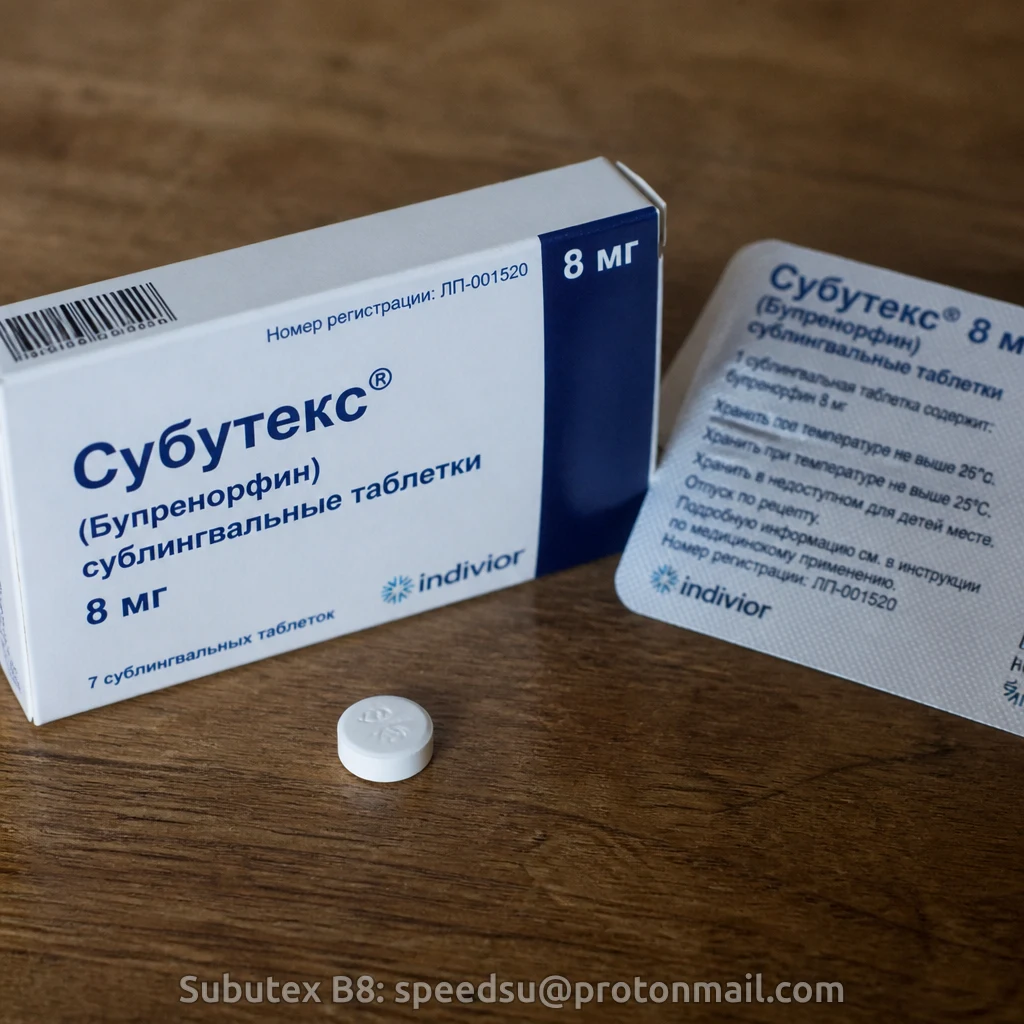
Subutex (buprenorphine) is a medication used in opioid replacement maintenance therapy for opioid dependence. It belongs to the class of opioid analgesics, but thanks to its unique pharmacological properties, it is used to reduce opioid cravings and alleviate withdrawal symptoms, helping patients on their path to recovery. This medication is dispensed and administered strictly under the supervision of medical professionals.
Overview
Buprenorphine was first synthesized in the 1960s and was initially used as an analgesic. Its potential in treating opioid dependence was recognized later, and it is now one of the primary medications for replacement therapy alongside methadone. Subutex is a monoproduct, containing only buprenorphine.
The goal of replacement therapy is to stabilize the patient's condition, reduce harm from illegal opioid use, improve quality of life, and facilitate social adaptation. Buprenorphine acts as a partial agonist of μ-opioid receptors, which means it activates them, but with less potency than full agonists (e.g., heroin or morphine). This allows it to alleviate withdrawal symptoms and reduce cravings without inducing strong euphoria or significant respiratory depression when dosed correctly.
Mechanism of Action
Buprenorphine is a partial agonist of μ-opioid receptors and an antagonist of κ-opioid receptors. Its partial agonism at μ-receptors provides a “ceiling effect”: after a certain dose, further increases in dosage do not lead to a significant increase in opioid effects, such as respiratory depression. This makes it relatively safer compared to full agonists.
Due to its high affinity for μ-opioid receptors, buprenorphine can displace other opioids from these receptors. If Subutex is taken after a full opioid receptor agonist without waiting a sufficient interval, it can precipitate withdrawal symptoms, which is an important consideration when initiating therapy.
Typical Uses
Subutex is used for the treatment of opioid dependence as part of a comprehensive program that includes psychological support and social rehabilitation. Therapy typically consists of two main phases:
- Induction. During this phase, buprenorphine is gradually introduced to stabilize the patient's condition and manage withdrawal symptoms. This process requires careful medical supervision to avoid precipitated withdrawal.
- Maintenance therapy. After the patient's condition has stabilized, an optimal maintenance dose is determined. The goal of this phase is to reduce opioid cravings, prevent relapse, and improve the patient's overall functioning. The duration of maintenance therapy is individualized and can last from several months to many years.
Subutex is taken sublingually (under the tongue), which ensures slow and controlled release of buprenorphine and its absorption into the bloodstream, bypassing significant first-pass metabolism in the liver.
Safety
Despite its effectiveness, Subutex has a number of potential side effects and contraindications. Among the most common side effects are nausea, vomiting, constipation, headache, insomnia, and sweating. In rare cases, severe respiratory depression is possible, especially when used concurrently with other psychoactive substances such as benzodiazepines or alcohol.
Subutex is not recommended for use during pregnancy without careful assessment of the benefit-risk ratio, and its use should be avoided in patients with severe liver disease. Like any opioid, buprenorphine has the potential for dependence, although the risk is lower than with full agonists.
Important Safety Reminder: Self-medication and non-medical use of Subutex (buprenorphine) is extremely dangerous and can lead to serious health problems, including overdose and death. The use of this medication must only be under the strict supervision of a qualified medical professional within a licensed opioid dependence treatment program. Never share this medication with others.